












Saudi Arabia's Startup Ecosystem: What Global Investors Need to Know
A practical investor briefing on Saudi Arabia’s startup ecosystem, covering market signals, funding momentum, policy support, and due diligence priorities.
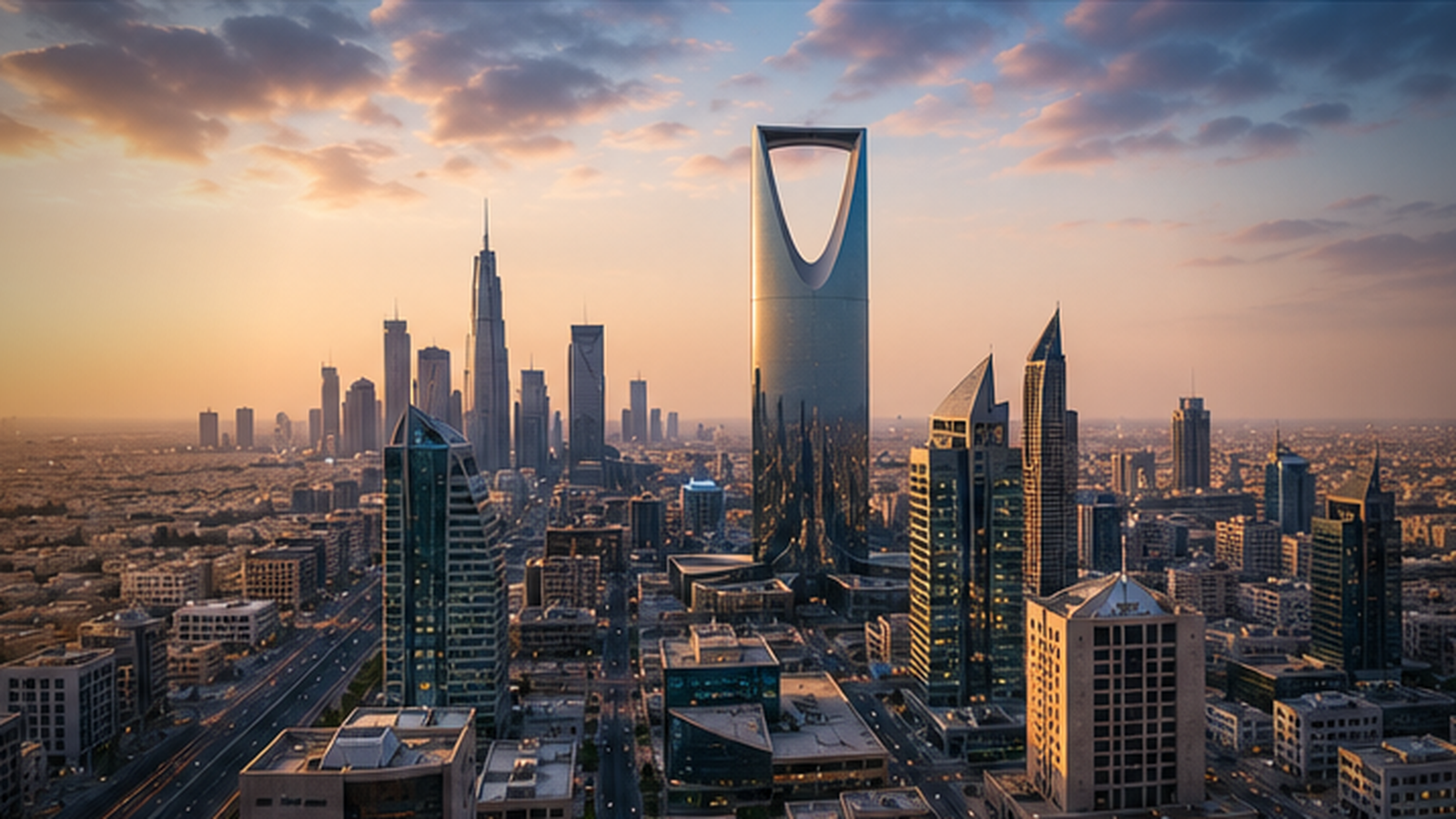
Saudi Arabia is no longer a “watch later” startup market. It is now one of the most important venture markets in MENA.
In 2025, Saudi startups raised$1.72 billionacross257 transactions, with total VC funding up145% year over year. The Kingdom accounted for45% of MENA’s total VC capital deployed, up from 32% in 2024, and became the most funded and most transacted VC market in the region.
For global investors, the question is no longer whether Saudi Arabia is becoming relevant. The question is how to underwrite the market properly.
Why Saudi Arabia is attracting venture capital
Saudi Arabia has several structural advantages that matter to venture investors.
First, the domestic market is large. Startup Genome describes Riyadh as a market backed by a$1.1 trillion GDP,36+ million people, and the GCC’s largest B2B purchasing base, with demand across fintech, cybersecurity, energy, logistics, edtech, and digital health.
Second, the ecosystem is becoming more institutionally supported. SVC states that it has invested in65 private capital fundsacross venture capital, private equity, venture debt, and private debt, with those funds investing in1,000+ startups and SMEs.
Third, Riyadh is gaining global visibility. Monsha’at reported that Riyadh jumped60 positions over three yearsto rank23rdin Startup Genome’s 2025 Global Startup Ecosystem Report. The same update said Saudi Arabia ranked second in startup ecosystem performance across MENA and third globally in funding relative to impact.
The sectors investors should watch
Saudi Arabia’s venture opportunity is not one generic “tech market.” It is a set of sector-specific opportunities shaped by national transformation, enterprise demand, regulation, and consumer behavior.
High-potential areas include:
Fintech:payments, lending, SME finance, wealth infrastructure, embedded finance
Enterprise software:workflow automation, procurement, HR tech, compliance tools
Logistics:last-mile delivery, warehousing, supply-chain visibility
PropTech:brokerage, property data, leasing, facilities management, real estate finance
HealthTech:access, insurance workflows, digital clinics, operational software
Cybersecurity:enterprise security, identity, compliance, managed security tooling
AI infrastructure and applied AI:Arabic-first tools, enterprise AI, government and regulated-sector use cases
In the 2025 VC report, fintech led Saudi funding with$506 millionacross55 deals, while enterprise software became the second most transacted sector with40 deals. Together, fintech and enterprise software accounted for37% of total deal activity.
What global investors often misunderstand
The biggest mistake is treating Saudi Arabia as a market where capital alone creates access.
It does not.
The strongest investors build local context. They understand procurement cycles, regulation, cultural expectations, hiring realities, payment behavior, and the difference between government-led opportunity and customer-paid demand.
A good Saudi investment thesis should answer:
Who is the real buyer?
Is the buyer public sector, enterprise, SME, or consumer?
Is the budget already allocated?
Does the startup need regulatory approval?
Can the product expand from Saudi into GCC markets?
Is the founder building for actual local workflows or copying a foreign model?
Does the company have local partnerships that reduce adoption friction?
Due diligence checklist for investors
Before investing, evaluate five layers.
1. Founder-market fit
Does the founder understand the sector from inside experience, customer proximity, or repeated market learning?
2. Revenue quality
Revenue from one large customer is useful but fragile. Look for repeatable customer acquisition, recurring usage, and clear renewal behavior.
3. Regulatory path
In fintech, health, real estate, insurance, data, and mobility, regulation is not a side issue. It is part of the product strategy.
4. Hiring capacity
The best startups can attract operators, not only developers. Look for sales, compliance, product, and customer success capability.
5. Regional scalability
A Saudi startup may win locally and then expand into GCC markets. But expansion is not automatic. Check whether the product depends on Saudi-specific regulation or can adapt across markets.
Final takeaway
Saudi Arabia is becoming a serious venture market because capital, policy, market demand, and founder ambition are now moving together.
Global investors should not enter casually. They should enter with a local thesis, strong partners, disciplined diligence, and sector-specific understanding.
The opportunity is real. So is the complexity.